Managing Band Photos with Lightroom Classic
Before we delve into shooting techniques, it’s important to discuss file management. Your photos can accumulate quickly, making it easy to misplace your best shots. Additionally, the band director might want to feature one of your images on their social media, and you may struggle to locate it. To prevent such situations, let’s explore my favorite app for file management and editing.
In my humble opinion, one of the most helpful tools you can use is Adobe Lightroom Classic. It’s designed specifically for photographers who want to stay organized while also having powerful, easy-to-use editing tools at their fingertips. You don’t need to be a professional to benefit from it, many of its best features are perfect for busy parents who want to spend less time sorting photos and more time enjoying them.
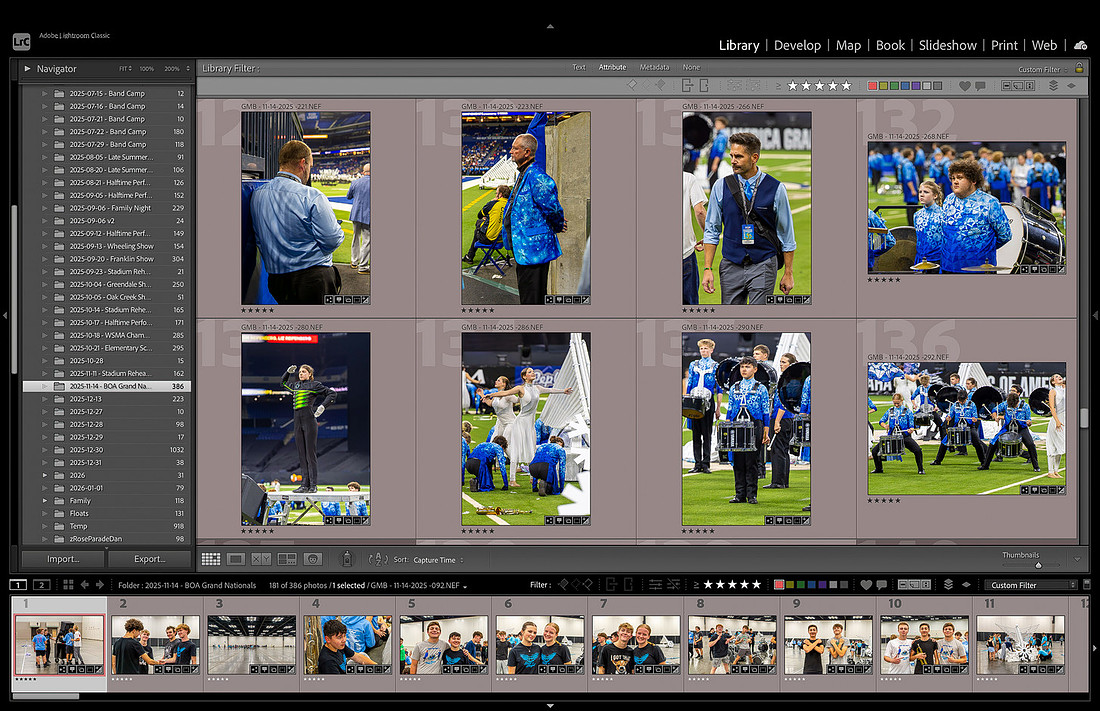
 My use of Adobe Lightroom Classic reflects a long-standing professional preference developed through years of consistent, real-world application. Having worked with the software since 2012, I have found it to be a highly dependable platform capable of meeting even the most demanding post-processing and organizational needs.
For example, during my time as the principal photographer for the Madison Scouts, I captured more than 15,000 images over the course of the 2013 season. Despite the challenges of a travel-intensive schedule, I was able to efficiently manage, organize, and process that entire catalog while on the road. Lightroom’s ability to maintain performance, streamline workflow, and keep large volumes of images accessible and well-structured proved essential in delivering timely, high-quality results throughout the season.
A big advantage of Lightroom Classic is that it keeps everything in one place. Instead of having photos scattered across folders on your computer, external drives, or memory cards, Lightroom allows you to create a central catalog. Think of it like a digital library for your band season. You can quickly find images from a specific rehearsal, competition, or even a particular moment, without digging through endless folders.
Organization becomes even more powerful with simple tools like keywords, ratings, and flags. For example, you might tag photos with terms like “band camp,” “competition,” “halftime,” or even your student’s name. Later, when you want to find those images, it takes just seconds. You can also “star” your favorite shots or flag the ones you want to edit, helping you focus your time on the images that matter most.
Another benefit is how Lightroom handles large volumes of photos without slowing you down. During marching band season, it’s not unusual to take hundreds of photos in a single evening. Lightroom is built to handle that kind of workload smoothly. You can import all your images at once, quickly review them, and narrow them down to your best shots without feeling overwhelmed.
When it comes to editing, which I will dive into in greater detail down the road, Lightroom keeps things simple and efficient. Instead of spending hours adjusting each image individually, you can make quick improvements, like adjusting brightness, color, or sharpness, and then apply those same settings to multiple photos at once.
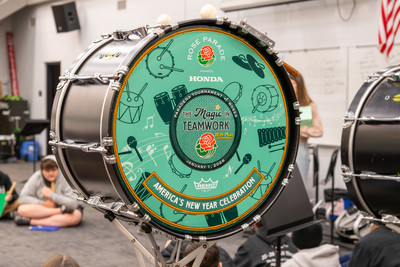 Just as important as the tools themselves is the workflow you create. A simple, repeatable process can make your photography experience much more enjoyable. For example, after each event, you might import your photos, quickly review and select your favorites, add a few keywords, and make basic edits. By keeping this process consistent, you’ll stay organized all season long, and avoid the stress of trying to sort everything out at the end.
It’s also worth remembering that you don’t have to keep every single photo. Part of managing large amounts of images is giving yourself permission to narrow things down. Blurry shots, duplicates, or photos that don’t quite capture the moment can be set aside so your best images stand out. This makes it easier to share albums with family, create photo books, or simply revisit your favorite memories.
Most importantly, tools like Lightroom Classic are there to support you, not slow you down. The goal isn’t perfection; it’s preserving the experience. Marching band seasons go by quickly, and your photos become a meaningful way to remember the hard work, growth, and joy your student experiences along the way.
By using a simple system and the right tools, you can turn what might feel like an overwhelming number of images into a well-organized collection of memories. And with less time spent managing files, you’ll have more time to do what matters most, cheer on your student, enjoy the performances, and capture the moments that make the season so special.
Now that you’ve read through my thoughts on why a tool like Lightroom is good for organization, my next post will go into the specifics of configuring your import settings.
Photographing the Marching Band Journey: Tips for Band Parents
Over the next eight months, from those exciting first rehearsals all the way to the final performance at Bands of America Grand Nationals, I’ll be sharing practical tips and approachable techniques for photographing an entire marching band season.
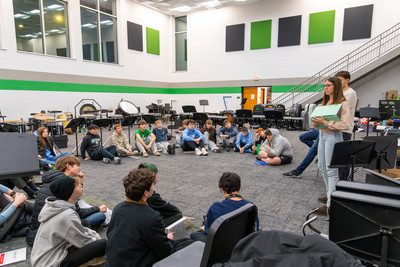 Before we dive in, I want to offer a quick note for context. In addition to being a photographer, I’m also part of the visual staff for the Greendale Marching Band. That role naturally provides me with a bit more access than most band parents may have. However, that doesn’t mean meaningful, impactful photography is out of reach. In fact, some of the most memorable and authentic images often come from the perspectives only parents can capture. As we get closer to the season, I’ll share helpful strategies for navigating access respectfully and making the most of the opportunities available to you.
This blog series is designed with band parents in mind, especially those who want to document their student’s journey in a way that is both enjoyable and rewarding. Marching band is a fast-paced, emotional, and visually rich activity. Capturing those moments, whether it’s the intensity of rehearsal, the pride after a performance, or the small, candid interactions in between, can create lasting memories not just for your own family, but for others in the program as well.
As the season progresses from training camps into competitions, I’ll walk through ways to stay organized while managing what can quickly become a large volume of images. We’ll explore how simple tools like metadata can help you create meaningful captions and keep everything easy to find later. I’ll also share practical techniques for shooting in a variety of conditions, from bright, harsh sunlight during daytime rehearsals to the challenging, uneven lighting found in stadiums at night.
Just as important, we’ll focus on keeping the process enjoyable. It’s easy to get caught up in trying to capture every moment perfectly, but the goal isn’t perfection, it’s connection. The best photos often come when you’re present, observing, and appreciating what’s happening in front of you. Photography should enhance your experience, not take you out of it.
To support that, I’ll also introduce ways to use tools like Adobe Lightroom Classic to simplify your workflow. With a few thoughtful setup steps, you can streamline your process so you spend less time managing files and more time reliving and sharing the moments you’ve captured. Whether you’re brand new to photography or have some experience, these tools can help you stay organized and confident throughout the season.
Most importantly, this journey is about celebrating your student and their accomplishments. Your photos become part of the story, the early mornings, the long rehearsals, the friendships, and the performances that make marching band such a meaningful experience. By documenting these moments, you’re preserving something truly special.
In the next post, I’ll walk through the advantages of using Adobe Lightroom Classic and how to set up your initial import settings so you’re ready to hit the ground running when the season begins.
The Greendale Marching Band
And just like that, the 2025 Greendale Marching Band season is underway!
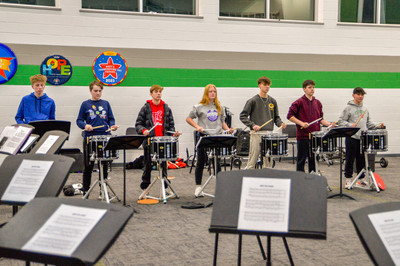 2025 Greendale Marching BandThis image of the Greendale Marching Band is from their rehearsal in the band room February 13, 2025. #GreendaleMarchingBand #SnowAngel #2025WSMA #BCGPhotos
This evening, the percussion line held their first rehearsal in the Greendale High School band room, marking the beginning of what promises to be an exceptional season. With their sights set on a 20th consecutive WSMA state championship, the band is preparing for another year of precision, dedication, and excellence. Adding to the excitement, the season will culminate with an appearance in the prestigious Tournament of Roses Parade on January 1, 2026.
The road to these milestones is anything but easy. Before the band members can march through Pasadena, they must first earn their spots through a rigorous audition process. Each student in the percussion ensemble will compete for a position, facing intense scrutiny on technical proficiency, timing, and musical expression. With last season's band earning top honors for percussion across all classes at the WSMA State Marching Band Championships, the standards for the 2025 season are exceptionally high.
The drum line holds a unique and critical role within the band. Unlike other sections, there is no margin for error. Every strike of the drum or mallet is exposed, meaning each performer must execute their parts with precision and consistency. Beyond technical accuracy, percussionists are responsible for maintaining the band’s tempo. Any misalignment in timing can cause disruptions throughout the ensemble and compromise the overall performance.
 Mastering this level of precision requires not only individual skill but also a deep understanding of ensemble cohesion. Each section—from the snare drums to the bass line to the front ensemble—must work seamlessly together. The synchronization of these groups is vital for delivering the powerful and polished performances for which Greendale is known.
The competitive nature of the percussion section fosters an environment where students are constantly pushing themselves to improve. Whether it is learning intricate stick work for the snare drum, executing complex rhythms on the tenor drums, or mastering the nuanced mallet parts in the front ensemble, each performer faces their own set of challenges. This pursuit of excellence extends beyond individual performance to a collective effort where every member contributes to the overall success of the ensemble.
While the WSMA State Championship remains a major objective, the 2025 season carries additional significance with the upcoming Tournament of Roses Parade. Marching in the Rose Parade is one of the highest honors for any high school band. It requires not only musical and technical preparation but also physical endurance. The five-mile route through Pasadena demands months of conditioning and training to ensure that the performers maintain their energy and focus from start to finish.
The preparation for the Rose Parade begins long before the band arrives in California. Detailed rehearsal schedules focus on both music and marching technique, ensuring that every movement and note is polished to perfection. The logistical demands of traveling to and performing in such a large-scale event also require careful planning and coordination. From organizing equipment transport to managing uniform preparation, the effort behind the scenes is as crucial as the rehearsals themselves.
The 2025 season also emphasizes leadership and teamwork. Returning members play a critical role in mentoring newcomers, helping them acclimate to the demands of the percussion section. This peer-to-peer learning fosters a culture of accountability and camaraderie. Each rehearsal reinforces the idea that success depends on the collective effort of every individual. This mindset not only prepares the students for performances but also instills values of discipline and resilience that extend beyond the marching field.
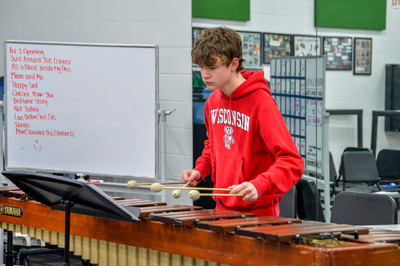 2025 Greendale Marching BandThis image of the Greendale Marching Band is from their rehearsal in the band room February 13, 2025. #GreendaleMarchingBand #SnowAngel #2025WSMA #BCGPhotos
As the season progresses, the band will perform at a variety of competitions and community events, each serving as a steppingstone toward their larger goals. These performances provide valuable opportunities to refine their show, address areas for improvement, and build the confidence needed for high-stakes competitions. Each public appearance also strengthens the bond between the band and the Greendale community, which plays an essential role in supporting the program through fundraising efforts and enthusiastic encouragement.
The journey to a 20th consecutive WSMA state championship and the Tournament of Roses Parade is a testament to the Greendale Marching Band's legacy of excellence. It reflects years of dedication from students, staff, and community members who uphold the program's standards. The 2025 percussion section carries the responsibility of maintaining this legacy while striving to reach new heights.
As the first drumbeat of the season echoes through the band room, it signals the beginning of an exciting and demanding journey. The path is filled with challenges, but with preparation, teamwork, and determination, the Greendale Marching Band is ready to make the 2025 season one to remember.
And just like that, the journey begins. Let the music play on.
The TourBox Ultimate Controller – A Game Changer for Editing Band Photos in Lightroom! ✨
As a photographer, capturing the energy of live music is always a challenge, but editing those images? That's a whole new battle! Especially when you’re dealing with harsh lighting conditions like at Gaviniski Stadium during a Greendale Band show. 😅
But with the TourBox Ultimate Controller, editing these photos has never been faster or more efficient. 🙌
From adjusting white balance and tint in a snap to fine-tuning exposure and contrast with pinpoint precision, the TourBox transforms what used to be a tedious process into something smooth and enjoyable. 🔥

Here’s why I’m obsessed with it:
- White Balance Made Easy: Even under those intense stadium lights, correcting white balance is effortless. A few turns of the dial, and I’ve got perfect color temperatures in seconds. 💡
- Tint Control at Your Fingertips: No more clicking through sliders endlessly. The TourBox allows me to fine-tune the tint in one swift motion, ensuring the colors pop just right. 🎨
- Speed & Efficiency: Editing doesn’t have to be a marathon anymore. With customizable buttons and intuitive controls, I can apply settings, toggle between tools, and adjust layers without missing a beat. ⏱️
- Ergonomics: It’s designed to be comfortable even through those long editing sessions. It’s like having an extra hand! ✋
I used to dread the time-consuming process of adjusting every photo, but now I’m zipping through my Lightroom edits with ease—no more tedious back-and-forth with my mouse. 🚀
The results speak for themselves. From the dramatic stage lights to the intimate crowd shots, every band photo is now crisp, vibrant, and true to the energy of the show.
If you’re looking to level up your editing game, the TourBox Ultimate Control is an absolute must-have! It’s made working with tough lighting conditions (like those at Gaviniski Stadium) not just possible but enjoyable. 🤩
#TourBox #Lightroom #PhotographyGear #BandPhotography #LiveMusic #GreendaleBand #PhotoEditing #PhotographyTools #EditingMadeEasy
Band Photography; A Passionate Hobby, Not a Career
Photographing the 2024 Greendale Marching Band: A Passionate Hobby, Not a Career
As I reflect on my recent experience photographing the 2024 Greendale Marching Band, I can’t help but feel a deep sense of appreciation for the opportunity. The music, the energy, the precision of the students – everything about the experience brought me back to the joy of photography in a way I hadn’t felt in a long time. However, while I’m excited to continue working with the band and documenting their incredible performances, I’ve made a conscious decision to approach this project as a hobby, not a return to professional work.
In this post, I’d like to share why I appreciate being able to photograph the Greendale Marching Band, what I love about the experience, and why I’m choosing to keep this as a personal passion rather than a professional endeavor.
Rediscovering the Joy of Photography
Photography has always been a significant part of my life, but in recent years, I’ve found myself stepping away from the industry. The demands of professional photography – deadlines, unrealistic expectations, and the pressure to always be "on" – eventually wore me down. The creative freedom that once drew me to photography seemed lost in the shuffle of making it a business.
That’s why, when I finally decided to photograph the band for the 2024 season, I was both excited and hesitant. I hadn’t done much professional work in recent years, and the idea of taking on a new project felt like a big decision. But then I remembered what I loved most about this genre of photography in the first place: the ability to capture moments that tell a story, to freeze time in a way that’s meaningful to the students and their parents.
As part of the visual staff, able to watch the band rehearse and perform up close, I realized that this wasn’t just about getting the perfect shot or pleasing a parent. It was about being in the moment, capturing the energy of the performance, the expressions of the students, the growth of the ensemble. In a way, it was like rediscovering the joy I had in photography when I first picked up a camera – before the business side took over.
The Greendale Marching Band: A Rich Source of Inspiration
The Greendale Marching Band is, without a doubt, a unique and incredible subject to photograph. There’s something about the combination of music, movement, and precision that makes this bands an exciting subject for any photographer. From the individual musicians to the coordinated movements of the entire group, there’s a rhythm and flow that makes for fantastic imagery.
Photographing the band presents a variety of visual challenges that I truly enjoy. From the bright stadium lights during evening performances to the diverse angles and formations, there’s always something new to capture. I’ve always appreciated photography that forces me to think on my feet – to adjust settings quickly, compose shots in real-time, and find angles that tell the best story. The band provides that challenge in spades. Whether it’s a close-up of a drummer’s hands in mid-rhythm or a sweeping shot of the entire band in formation, each image is an opportunity to tell a unique story.
A Personal Passion, Not a Professional Pursuit
While I’ve enjoyed every moment of photographing the band so far, I want to be very clear: this is not a return to professional photography for me. Over the years, I’ve learned that the pressure of turning my passion into a business ultimately took the fun out of it. It became less about creative expression and more about meeting expectations. That’s not the experience I want to have with the Greendale Marching Band, and that’s why I’ve made the decision to approach this work as a hobby.
By keeping it personal, I can focus on what I love most about photography: the art of it. I can take the time to experiment, explore new techniques, and push my creative boundaries without worrying about deadlines or deliverables. I can also maintain a sense of balance in my life – photography will always be a passion of mine, but it won’t consume me like it once did.
I’ve had conversations with friends and fellow photographers about this decision, and the common response is one of understanding. Many people assume that once you’ve worked professionally in a creative field, you’ll always want to do so. But for me, the beauty of photography lies in the freedom to shoot for the sheer love of it. The moment I start to turn it into something I have to do for money or recognition again is the moment I lose what makes it special.
This doesn’t mean I’m abandoning the possibility of other paid gigs entirely. However, I no longer feel the need to pursue a full-fledged return to professional photography. My focus now is entirely on creating work that brings me joy, and if others appreciate it, that’s a bonus. With the Greendale Marching Band, I plan to continue capturing their performances, but I want this to be a project I can approach on my own terms, without the pressures of deliverables or deadlines.
Why This Is the Right Approach for Me
Ultimately, my decision to approach this project as a hobby stems from my desire to return to the roots of why I got into photography in the first place. It was never about recognition or money; it was about the love of capturing the world around me, freezing moments that matter, and sharing those moments with others. With the 2024 Greendale Marching Band, I have the chance to do just that, without the pressures of professional expectations hanging over me.
I’m excited about the future of this project and what lies ahead for both the band and me as a photographer. There’s a unique joy in knowing that the work I’m doing is purely for the love of the craft, and that’s something I wouldn’t trade for anything. I look forward to continuing to photograph the Greendale Marching Band, capturing their performances, their stories, and their growth. And while I’m not planning on diving back into professional photography, I know that this is a creative outlet that will bring me satisfaction and inspiration for years to come.
So, here’s to the band, the music, and the art of photography — a hobby that, for me, feels more rewarding than any career could ever be.